2026/01/23 11:20
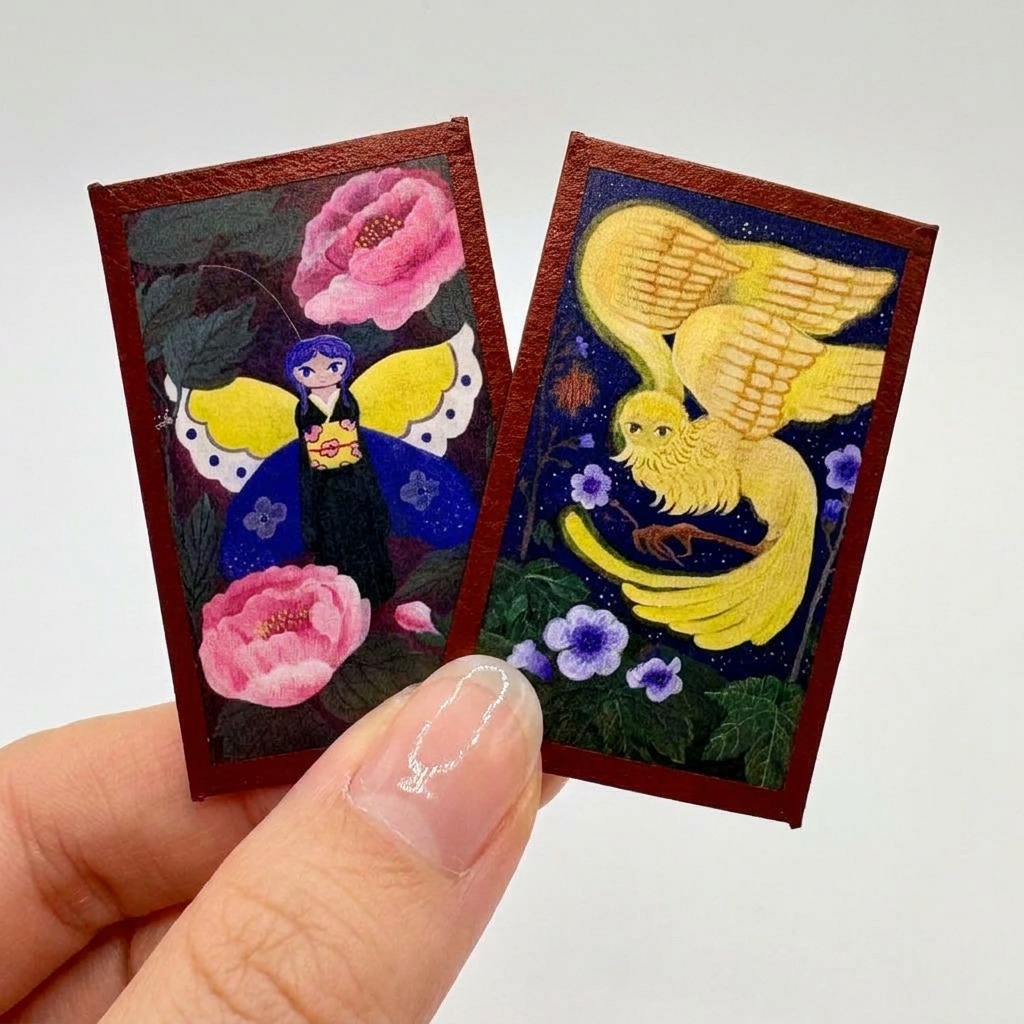 こんにちは。ARTRAD KYOTOの安河内です。
ARTRAD KYOTOの花札を手に取った方が、まず驚かれるのがその「硬さ」です。 「まるで木の板のようですね」というお声をいただくことも多いこの質感。
実はこれ、京都の老舗「田村将軍堂」の職人が守り続けてきた「合紙(ごうし)」という伝統技法から生まれています。
一般的なカードは1枚の厚紙で作られますが、私たちの花札は、芯となる和紙を数枚重ね、さらに表紙と裏紙を丁寧に貼り合わせています。実に5枚から6枚もの和紙を層にすることで、単一の紙では出せない圧倒的な剛性と、しなやかな弾力が宿るのです。
ただ丈夫なだけでなく、使い込むほどに手に馴染む重厚感。 この「指先に伝わる質感」こそが、大量生産品には真似のできない、京都の職人の矜持(プライド)です。
カチッ、パシッ。 五感に響く伝統の質感を、ぜひ一度その手でお確かめください。
The Craftsmanship Behind the Texture
Hello, I’m Hiroshi Yasukochi from ARTRAD KYOTO.
The first thing people notice when they pick up ARTRAD KYOTO’s Hanafuda cards is their remarkable "hardness." We often hear people remark, "It feels just like a piece of wood."
This unique texture is born from a traditional technique called "Goushi" (paper laminating), a method preserved by the master artisans of Tamura Shogundo, a long-established workshop in Kyoto.
While standard cards are typically made from a single sheet of cardstock, our Hanafuda cards are crafted by layering several sheets of washi (Japanese paper) as a core, then meticulously bonding the front and back papers together. By layering five to six sheets of washi, we achieve an overwhelming rigidity and a supple elasticity that a single sheet of paper simply cannot replicate.
They are more than just durable; they possess a profound sense of quality that fits more comfortably in your hands the more you use them. This "tactile sensation at your fingertips" is the pride of Kyoto's artisans—a level of craftsmanship that mass-produced items can never imitate.
Click, snap. We invite you to experience for yourself this traditional texture that resonates with all five senses.
Kyoto Art Hanafuda https://www.artrad.jp/items/103192886